

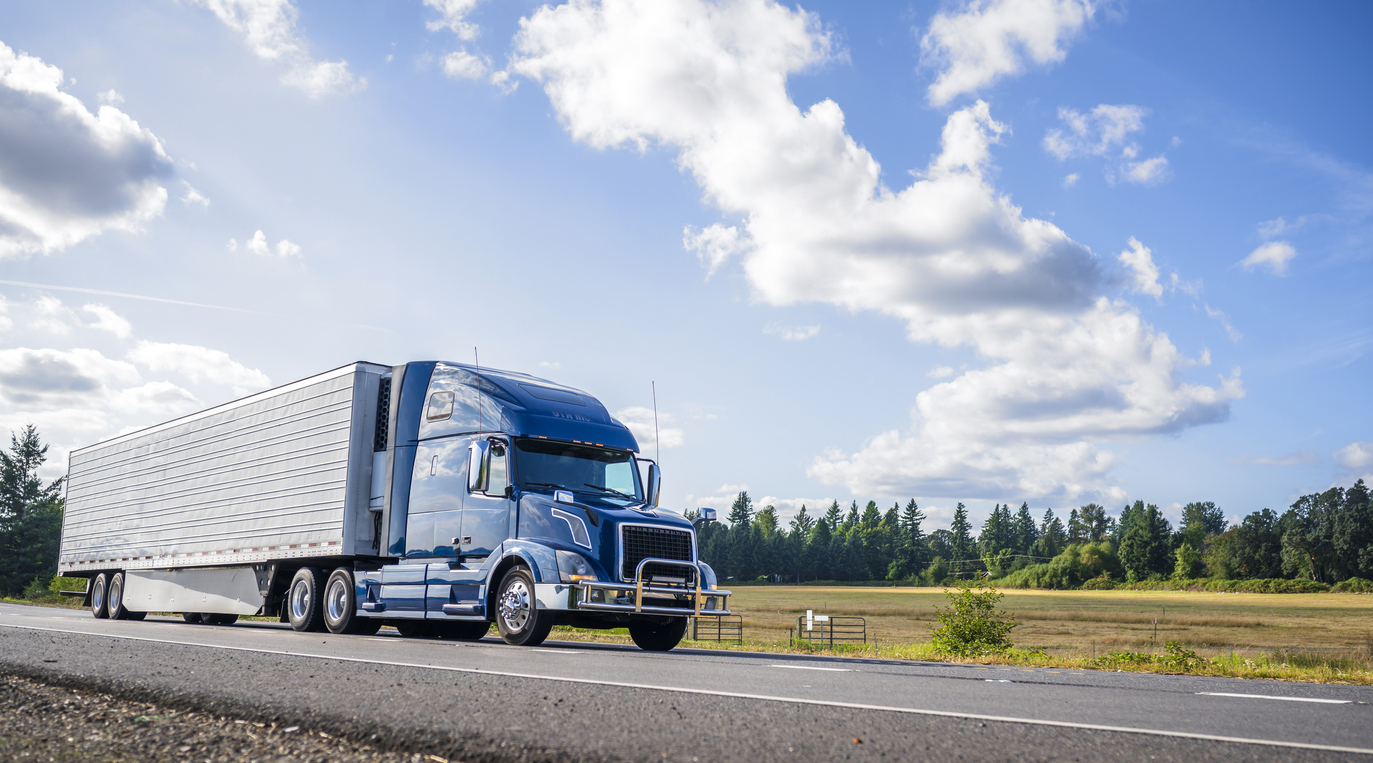
Most people know that you need a commercial driver’s license (CDL) to drive a big truck. But did you know that there are different types of CDLs? The specific type that you need depends on what type of vehicle you plan to drive and what type of cargo you may haul.
There are three types of CDLs in Texas: Class A, Class B, and Class C. Each type of CDL has its own requirements as well as restrictions on the type of vehicles you can operate. Here are all the details about each type of CDL.
Class A CDL
The Class A CDL is the most common type of CDL in Texas. With a Class A CDL, you can legally operate any combination of vehicles with a gross combination weight rating (GCWR) of 26,001 pounds or more, provided the GVWR of the vehicle or vehicles being towed exceeds 10,000 pounds.
In order to obtain a Class A CDL in Texas, you must meet the following requirements:
- Be at least 21 years old for interstate travel (or 18 for intrastate trucking)
- Have a valid Texas driver’s license
- Pass a knowledge (written) exam as well as a skills (driving) test
- Pass a vision exam
- Provide proof of citizenship or legal status
- Meet applicable federal medical requirements, including providing a valid medical certificate when required
The skills test consists of three separate portions – the pre-trip inspection, basic vehicle control, and on-road driving.
Class B CDL
A Class B CDL does not allow you to operate 18-wheelers and similar big rigs. However, it allows you to drive single vehicles with a GVWR of 26,001 pounds or more. Additionally, you may operate vehicles towing a trailer with a GVWR of 10,000 pounds or less. Common vehicles that require a Class B CDL include dump trucks, cement trucks, and other heavy-duty vehicles that do not tow a trailer.
The Class B CDL requirements are much the same as the requirements for obtaining a Class A CDL. The skills test includes a vehicle inspection, basic vehicle control, and on-road driving.
Class C CDL
The Class C CDL is the most basic CDL. This type of CDL allows you to drive certain commercial vehicles designed to carry 16 to 23 passengers, including the driver. You may also be able to transport certain hazardous materials.
To obtain a Class C CDL in Texas, you must pass the required knowledge tests and any tests required for applicable endorsements, such as passenger or hazardous materials endorsements. The skills test includes a vehicle inspection, basic vehicle control, and on-road driving.
If you plan to transport passengers or hazardous materials with a Class C CDL, you may need additional endorsements on your license.
Additional CDL Endorsements
Not only are there different classes of CDL, but there are also different endorsements you may get on your license. These endorsements allow you to operate additional types of equipment or transport special types of cargo.
Some common endorsements in Texas are:
- P (Passenger): Allows you to operate vehicles designed to carry 16 or more passengers (including the driver)
- S (School bus): Allows you to legally operate a school bus
- H (Hazardous materials): Allows you to transport hazardous materials
- N (Tank): Allows you to transport bulk liquids or gases
- T (Double or Triple): Allows you to double or triple tow multiple trailers at once
Most endorsements require passing an additional written knowledge test, and some of them also require passing an additional skills test. Remember that a truck driver’s knowledge and training may be closely examined after a truck accident.
Contact Law Office of William J. Tinning, P.C. To Schedule a Free Consultation With a Corpus Christi Truck Accident Attorney
Obtaining a CDL means that you have demonstrated the necessary knowledge and skills to safely operate a big truck. After an accident, a driver’s CDL and endorsements can help show whether the driver was qualified to operate that particular type of truck. This can be a crucial piece of evidence used to prove the trucking company’s negligence.
After a truck accident, you may need the help of an experienced personal injury lawyer to investigate all the facets of your accident. Call the Law Office of William J. Tinning, P.C. at (361) 643-9200 to schedule a free consultation with a Corpus Christi truck accident lawyer and let us help you get the justice you deserve.